At Aigle
We operate a modern fleet of trucks designed to handle a wide variety of freight with efficiency and safety. Each vehicle in our fleet is equipped with advanced technology and features that enhance both performance and comfort for our drivers.
Key Features of Our Fleet Include:
Preventive maintenance is a system of scheduled maintenance activities designed to prolong the lifespan of company vehicles through regular inspection. This maintenance type proactively identifies and corrects potential problems before they become larger and more costly.
This type of truck maintenance goes beyond pre-trip inspection checklists and takes a big-picture approach to vehicle and fleet management. Common examples of preventive tasks include oil changes, checking spark plugs, and inspecting hoses; but a robust program covers much more than that. Owner’s manuals provide a great starting point for specific vehicle requirements, in addition to the basics that should be on every heavy equipment maintenance checklist.
Benefits of Preventive Maintenance |
|---|
|
Properly maintained vehicles are the backbone of any profitable fleet. Frequent and routine maintenance leads to fewer mechanical problems saving time, money, and headaches. But the upside of a proactive truck maintenance plan doesn’t stop there. Here are some key benefits a solid plan will create: |
Regular truck maintenance should be completed on scheduled intervals. While manufacturer specifications, seasonality, and usage may dictate the cadence of the intervals and what is included in each check, make sure to consider the following areas:
• All engine oil, filters, and transmission fluid levels
• Oil pressure.
• Cooling and heating systems.
• All mounts, drive shafts, CV joints, belts, and hoses.
• Engine tune up.
• Electrical systems and components.
• Braking system.
• Fuel system.
• Tires, wheels, rims, undercarriage, and frame.
• Steering and suspension system.
• Exhaust system.
• Auxiliary vehicle systems.
• Body, glass, mirrors, seat belts, seat structure.
• Exterior and interior lights.
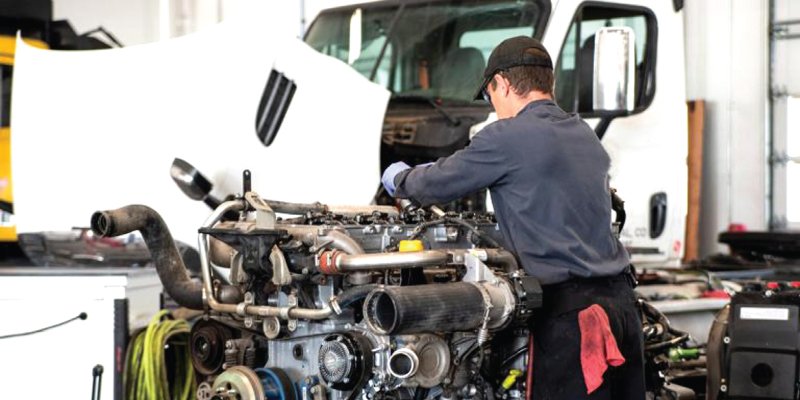
Because managing a fleet requires expertly orchestrating many moving parts every day, to keep equipment issues and costs at bay preventive maintenance considerations should be part of daily operations.
On a day-to-day basis, truck drivers are responsible for completing pre-trip inspections to ensure that vehicles are in safe and proper operating condition every time they take it on the road. These daily vehicle inspections cover a number of items that should be checked and inspected regularly like tires, fluids, electrical systems, and brakes. Problems that may lead to issues like brake failure and tire blowouts can easily be addressed by pre-trip inspection checklists.